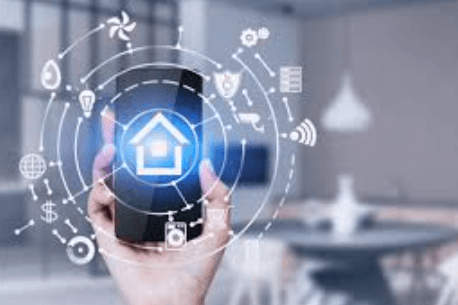
Home automation systems integrate devices, sensors, and controllers to automate everyday tasks. They rely on hubs, protocols, and rules to manage lighting, climate, security, and energy use. The architecture may be centralized or distributed, with real-time monitoring and remote access. Benefits include convenience, efficiency, and safety, but design requires careful platform selection, interoperability, and clear data flows. The next step explains how to choose a compatible setup and assess practical considerations.
What Are Home Automation Systems, and How They Work
Home automation systems are integrated networks of devices, sensors, and controllers that communicate to automate household tasks. They coordinate data and actions through centralized or distributed brains, utilizing automation rules, schedules, and scenes. Systems enable monitoring, remote access, and energy management. They influence quotidian routines, including home lighting and smart security, while preserving user autonomy and providing scalable, adaptable control.
Choosing Your Platform: Hubs, Protocols, and Ecosystems
Choosing a platform for home automation involves selecting the proper hub(s), communication protocols, and ecosystem alignment to support reliable device interoperability, security, and future expansion.
The analysis centers on hubs compatibility, protocol options, and ecosystem security, balancing openness with controlled access.
A coherent platform favors interoperable devices, clear data flows, vendor transparency, and scalable architectures enabling deliberate, freedom-oriented, sustainable growth.
Designing a Practical, Safe, and Scalable Setup
Energy auditing informs efficiency targets, while modular components support evolution without disruption. Cloud latency considerations guide remote access design, ensuring dependable control, real-time feedback, and predictable performance across scalable, resilient home automation architectures.
From Routine to ROI: Use Cases, Automation Tips, and Troubleshooting
From routine to ROI, this section maps concrete use cases, practical automation tips, and targeted troubleshooting steps to maximize value. Concrete scenarios include lighting schedules, climate adjustments, and energy monitoring, with measurable outcomes.
Automation tips emphasize modular, testable configurations and clear fallbacks.
Troubleshooting focuses on connection reliability, device interoperability, and misconfigurations, ensuring predictable performance and scalable, freedom-driven deployment across homes. routine ROI emphasized.
See also: Home Security in the Digital Age
Frequently Asked Questions
How Secure Is a Home Automation System Against Hacking?
The system’s security is variable; it exhibits security vulnerabilities and mitigations depending on design, patch cadence, and user practices. Firmware update risks include rollout delays, insecure channels, and misconfigurations that can undermine protective measures.
Can I Integrate Non-Smart Devices Into a Smart Home?
Integrating non smart devices is possible via bridges and hubs; bridging legacy appliances with smart controllers enables control, automation, and monitoring. Theoretically, compatibility hinges on protocols and power interfaces, ensuring reliable operation while preserving user autonomy and system openness.
What Is the True Energy Impact of Automation?
The true energy impact of automation varies; when optimized, it can reduce usage through efficiency gains and intelligent scheduling. Device efficiency improves with standby management, adaptive controls, and demand response, yet overhead from sensors and communication adds incremental consumption.
How Do I Ensure Privacy With Cloud-Connected Devices?
Privacy controls enable cautious use, privacy controls enforce consent, and privacy controls favor transparency; devices implement local processing and cloud safeguards, delineating data paths. The approach emphasizes autonomy, minimizes exposure, and preserves freedom through deliberate configuration and monitoring.
What Are the Hidden Costs of Maintenance and Updates?
Hidden maintenance and update costs arise from ongoing firmware upgrades, hardware replacements, and security patches. Privacy with cloud connected devices hinges on vendor practices; costs may include data plans, extended licenses, and potential service fees, affecting consumer freedom and long-term autonomy.
Conclusion
This overview suggests that home automation systems deliver tangible value through interoperability, modular design, and proactive monitoring. Investigating the theory that greater automation directly equates to higher safety and efficiency reveals nuance: gains depend on thoughtful architecture, robust security, and routine maintenance. While platforms promise convenience and ROI, outcomes hinge on deliberate hub selection, clear data flows, and scalable protocols. When implemented with disciplined design, the system consistently improves usability, energy awareness, and long-term resilience.