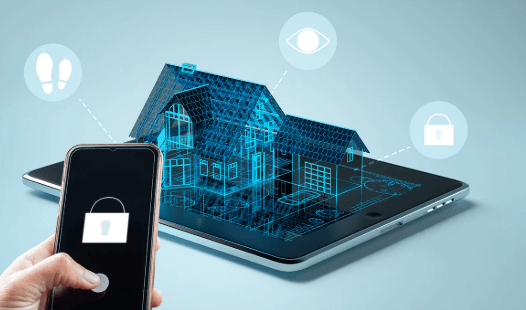
In the digital home, security rests on layered governance and disciplined practices. Devices, apps, and data must be protected across ecosystems through minimizes of privacy gaps, strong access controls, and timely firmware updates. Transparent logs, routine privacy audits, and clear accountability anchor decisions and responsibilities. Ongoing risk assessment and device segmentation support scalable protection, while budget-conscious choices prevent vendor dependence. The challenge remains: how to implement robust, auditable safeguards without compromising autonomy?
What Constitutes a Secure Digital Home
A secure digital home is defined by layered protections that minimize exposure to cyber threats while preserving usability for residents.
Governance-driven measures prioritize risk assessment, access controls, and documented policies.
The design reduces privacy gaps and ensures accountability.
Timely firmware updates are essential to mitigate vulnerabilities, while transparent maintenance logs enable informed decisions about system resilience and user freedom within a protected environment.
Securing Devices, Apps, and Data Across Ecosystems
The secure digital home requires consistent protection across devices, apps, and data that span multiple ecosystems. Governance-oriented guidance highlights confidentiality risks, data encryption, and robust user authentication as prerequisites.
Emphasize device segmentation, privacy controls, and a disciplined update cadence. Ensure cross platform interoperability supports secure collaboration while threat monitoring remains vigilant, reducing gaps without compromising freedom. Continuous assessment sustains resilient, trusted ecosystems.
Practical Steps for Ongoing Protection and Updates
The approach emphasizes routine privacy auditing and firmware hygiene, ensuring clear accountability and traceable changes.
Prospective freedom is preserved by minimizing drift, enforcing patch cadence, and documenting decisions.
Regular reviews support resilience without compromising user autonomy or system integrity.
Continuous improvement remains essential.
Choosing Smart Security That Fits Your Home and Budget
Choosing smart security that aligns with both household needs and budget requires a structured assessment of device capabilities, data practices, and total cost of ownership. This approach emphasizes privacy basics and transparent governance, evaluating risk, vendor reliability, and ongoing support.
Prioritizing budget friendly upgrades ensures scalable resilience without compromising freedom, while avoiding unnecessary surveillance, opaque terms, or excessive dependence on single ecosystems.
See also: attractivedp
Frequently Asked Questions
How Do I Balance Security With Convenience at Home?
A balanced security approach prioritizes privacy trade offs while ensuring convenient access. The strategy minimizes risk through smart camera limits, robust governance, and selectable authentication. It favors freedom by documenting policies, reviewing defaults, and auditing for continual improvement.
Can I Automate Security Without Draining My Budget?
Yes, it is possible to automate without draining finances. The approach favors budget friendly automation and scalable security solutions, emphasizing governance, risk reduction, and clear ROI, while preserving user freedom and avoiding over-automation, vendor lock, or unnecessary complexity.
What Privacy Trade-Offs Come With Smart Cameras?
Smart cameras impose privacy trade-offs: users must consider privacy controls and data retention policies, ensuring governance-minded limits on collection and access while preserving personal freedom and security, and demanding clear retention timelines and access rights.
Are There Risks Using Guest or Shared Networks?
The risks exist: security risks on guest networks and shared infrastructures, with exposure to devices like smart cameras. Privacy trade offs arise, requiring governance and consent frameworks to manage access, segmentation, and monitoring while preserving user freedom on networks.
How Often Should I Audit My Security System?
Auditing cadence should be quarterly to maintain governance-driven security. The system health warrants monthly checks for integrity, updates, and access controls. This cadence balances risk aversion with freedom to adapt, documenting findings and remediation promptly for accountability.
Conclusion
A prudent,_persistent privacy posture protects people and property. Governance-guided safeguards guard growth: granular access, transparent maintenance, and timely patches. Device segregation, routine audits, and budget-minded upgrades reduce risk without reliance on any single vendor. Data, apps, and devices are monitored, managed, and matched to needs. Secure stewardship supports resilient routines, respectful privacy, and robust resilience, ensuring safer smart homes.